Ask across the studio
"What did we decide about the veil?" "Total GFA across live projects?" Brain answers with citations - or says the number is not in Brain.
Product
VERSUR Brain is studio memory with agentic retrieval and synthesis for architecture and design teams - projects, sites, meetings, and decisions that agents and people can actually use.
Setup steps
VERSUR brain
"What did we decide about the veil?" "Total GFA across live projects?" Brain answers with citations - or says the number is not in Brain.
Projects, sites, people, meetings, and decisions as linked pages - not a chat thread that scrolls away.
Workflow agents can read and update the same studio memory. Relevant pages can surface while you type - before anyone searches.
Brain repairs links, flags orphans, and keeps search fresh so Connections stays useful as the practice grows.
Every studio already has a memory. It lives in inboxes, one-off chats, and files only one person uploaded. A zoning call from March. A client preference from last year. Which massing option the partner approved. The knowledge exists - it just sits where the next hire, the next project, and the next agent run cannot reach it.
Today we are introducing VERSUR Brain. Brain is your studio's intelligence - what the practice knows and decides, so Ask and agents can use it. Built for architecture, engineering, and design-led teams.
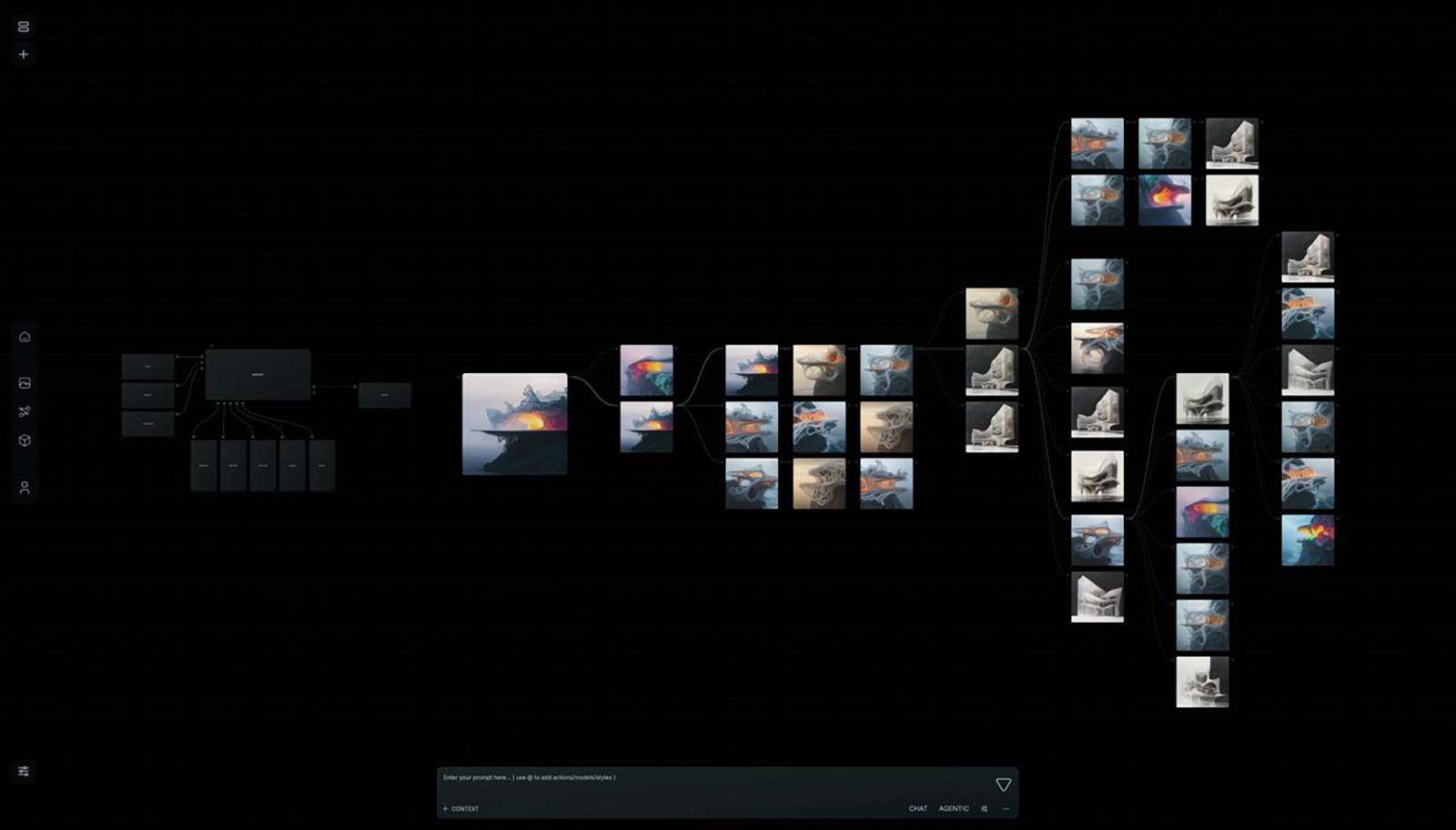
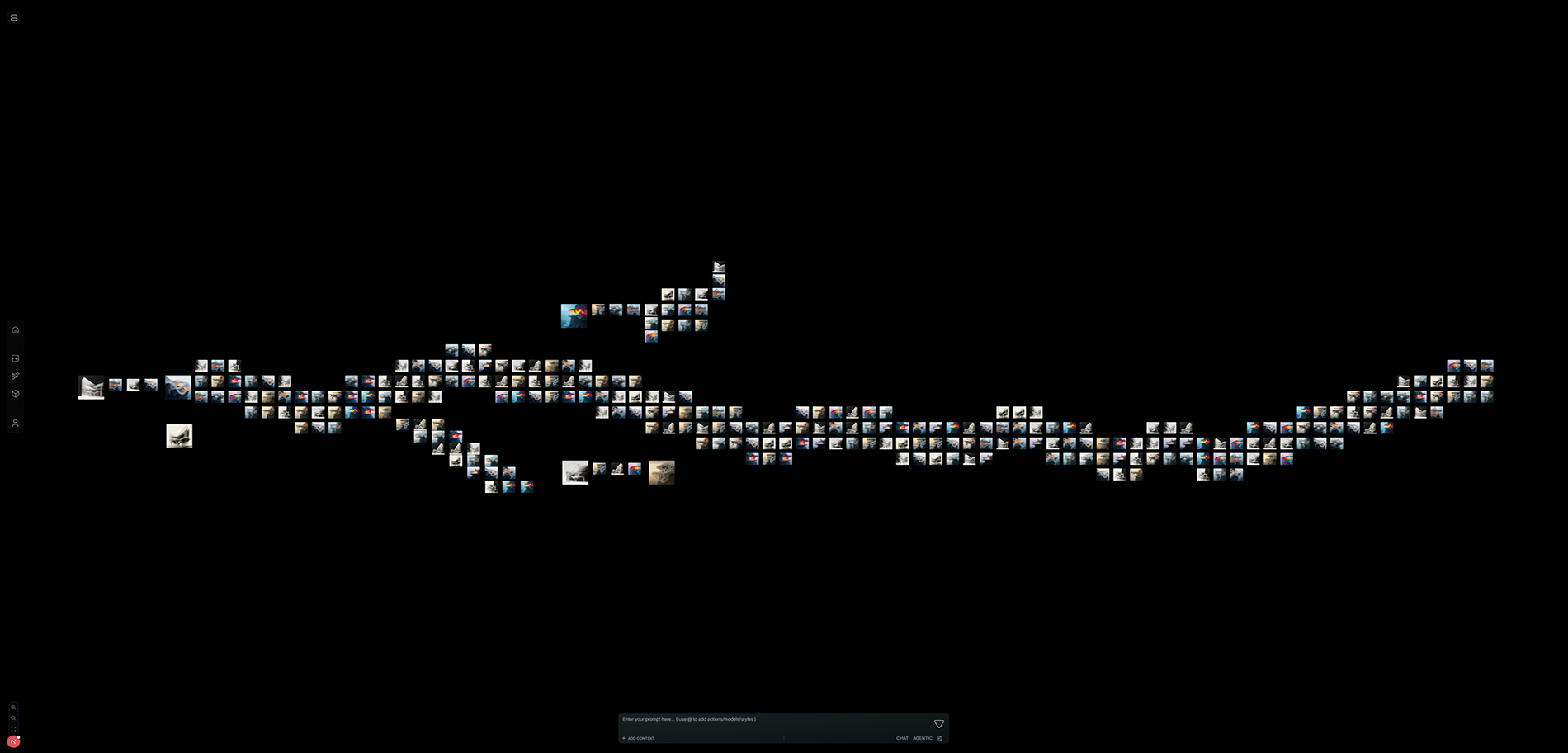
Brain is a shared notebook for the studio. Each page is a topic: a project, a site, a person, a meeting, a decision. You write in plain notes. When one page mentions another, you link them.
That is different from uploading PDFs into a search box, and different from a temporary "remember this for this run" scratchpad. Briefs and standards still belong in Knowledge. Ephemeral run context still belongs in workflow Memory.
Brain is for the operational facts of the practice - the things you would put in a project notebook if everyone could share one.
Open Brain and ask in plain language. Hybrid search finds pages by meaning and by name. Temporal phrases like "last meeting" resolve to the actual recent review - not whatever page happens to sound similar. When a question spans many pages, Brain gathers the evidence, reasons across it, and comes back with an answer it can defend - and goes back for more when something is missing.
That matters when a wrong GFA or budget in a client email is a professional problem, not a harmless guess.
We also measure Brain on LongMemEval, a public benchmark for long-horizon conversational memory. On the oracle set, Brain answers correctly on 86.8% of questions - well above full-context GPT-4o, and in range with the leading published memory systems - because Think retrieves with citations, goes back when evidence is missing, and refuses to invent numbers.
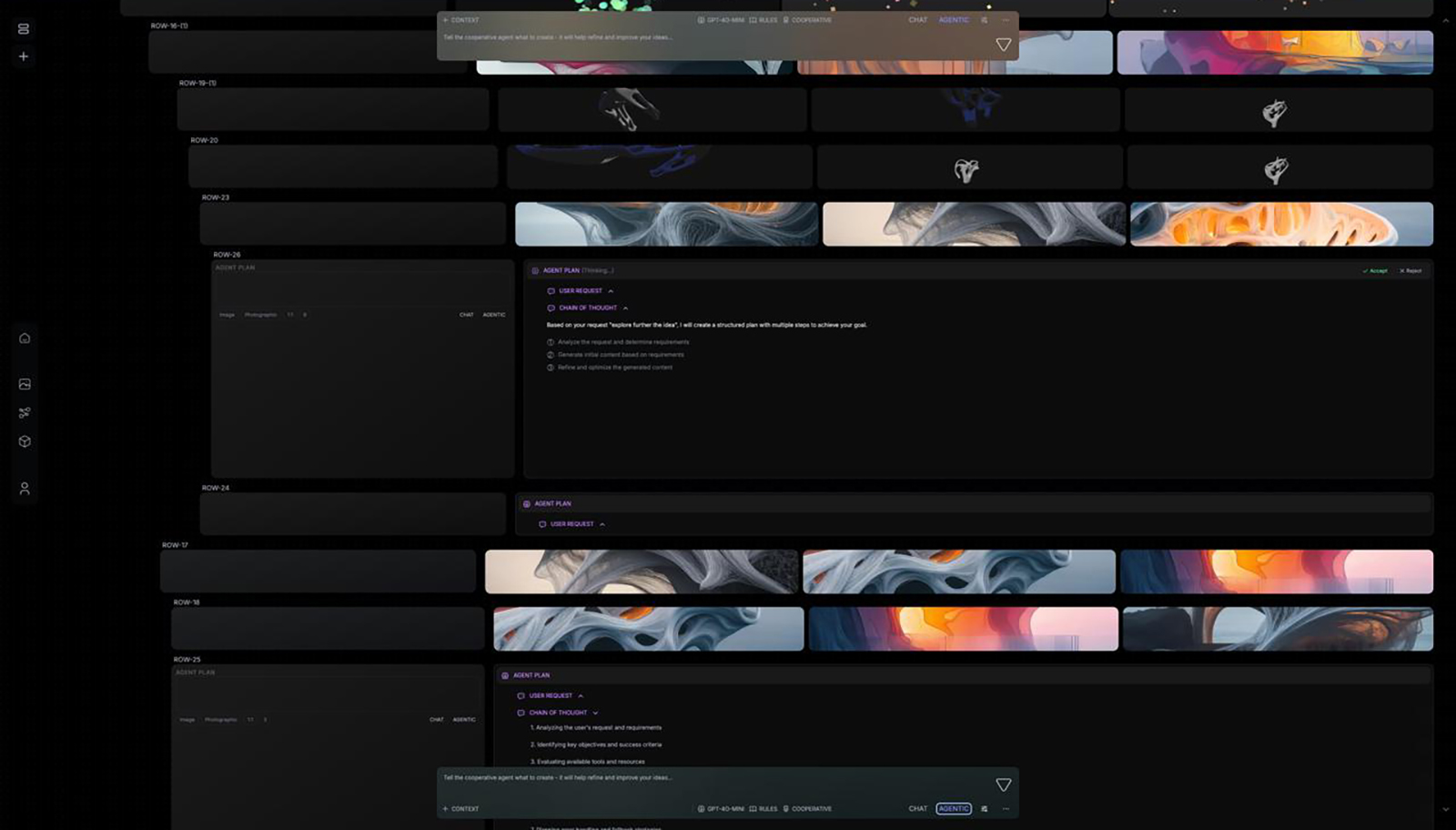
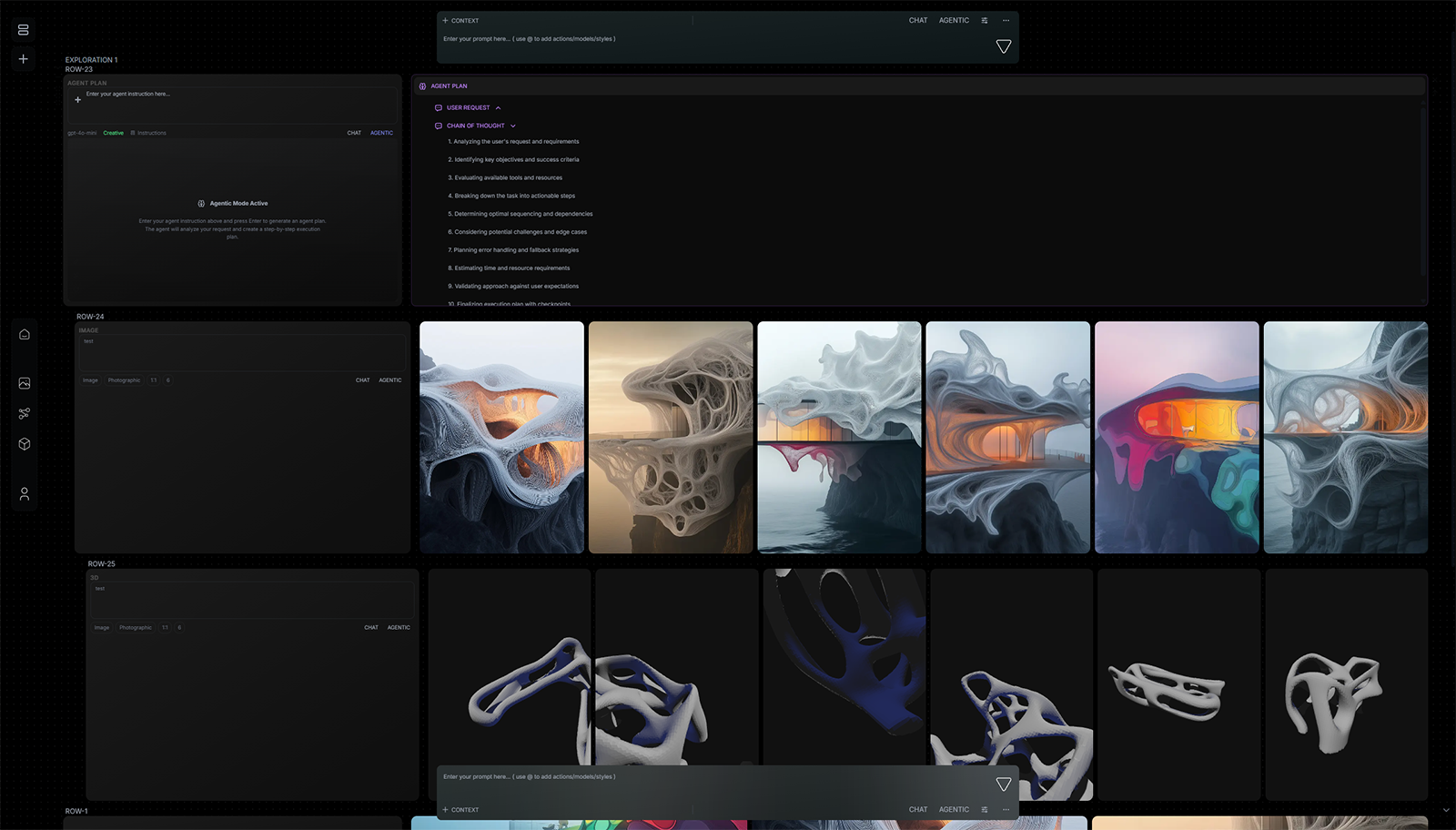
This is where studio memory changes what agents can do. VERSUR agents search, read, write, and reason over Brain. When a conversation names a project or a site, the relevant pages surface on their own - the agent starts from what the studio already knows, and you can see exactly which pages informed the work.
An agent drafting a client note knows the approved massing option. A feasibility run can write its results back as pages the whole practice keeps. Every project makes the next one start further ahead.
AI becomes expensive when it has to relearn your business every time.
VERSUR changes that.
Your Brain remembers your projects, your workflows capture how your organization operates, and your agents continuously build on that knowledge instead of starting from zero.
Brain is available in the workspace today. Open Brain from the workflow bar, start with a project or meeting page, and ask a question your inbox cannot answer cleanly.
A studio's memory compounds. Every meeting saved, every decision linked, every run written back makes the practice - and its agents - sharper. Brain is where that starts.